Discomfort as a Catalyst for Growth
Discomfort is a necessary factor for learning and growing both personally and professionally. I would describe discomfort as a feeling that pushes people outside of their comfort zones. However, being placed in situations that feel unfamiliar or challenging is often where the most meaningful growth and understanding occur. These moments allow individuals to learn, develop, and think more critically in new ways. My experiences abroad gave me an alternative perspective on life and influenced how I prioritize my daily routines, values, and interactions with others.
This experience challenged my prior assumption that effective performance requires control and familiarity. In the United States, I was accustomed to a highly structured and predictable academic system throughout middle school, high school, and college. In Paris, however, I had to adapt to a new routine and lifestyle that was less predictable and more flexible. Questions raised in the classroom made me reflect on broader ideas about leadership and adaptability in the business world. For example: How do leaders build trust in environments where they themselves are still learning? What assumptions do I unconsciously carry from my own cultural background? How do I respond internally when I feel a loss of control? Reflecting on these questions helped me develop adaptability and patience as important soft skills.
During my Global Studies class at the American Business School of Paris, I was introduced to the concept of Cultural Intelligence, which refers to the ability to understand, respect, and effectively communicate with people from diverse cultural backgrounds. While I initially understood this concept academically, studying in Paris required me to actively practice it. Through classroom discussions and interactions with classmates from different countries, I learned about various cultural traditions, values, and lifestyles. The initial discomfort came from opening up to new perspectives and adapting to unfamiliar cultural norms. Developing cultural intelligence allowed me to see the bigger picture, embrace my own culture, and become less quick to judge or compare everything to the United States. Being exposed to different cultures, religions, and ways of life made it essential to approach each experience with openness and respect.
My experiences studying abroad, along with my interactions at the Darla Moore School of Business, have challenged me to overcome adversity and embrace discomfort. At USC, whether it is participating in group work, attending career fairs, or navigating social interactions, these situations have reinforced that feeling uncomfortable is normal and often necessary for growth. These experiences have transformed the way I approach learning by shifting my mindset from avoiding discomfort to engaging with it as an opportunity for both personal and professional development.
In my project management class in Paris, I was assigned a random partner for a semester-long simulation project and presentation. At first, I viewed this assignment as a major challenge. Most other groups had four members, while my group consisted of only two people. Additionally, there was a language barrier, and we had different approaches to problem solving. Instead of focusing on the challenges we faced, I chose to embrace these differences and work through them because my performance in the course depended on it. I reminded myself that education in Europe operates differently than in the United States, and I needed to stop comparing every aspect of the experience to what I was familiar with at home.
Through my Global Studies class, I continued learning that cultural differences should be embraced rather than viewed as obstacles. From that moment forward, I made the decision to adapt to my partner’s approach to learning, stop comparing everything to my experiences in the United States, and relinquish some control over the process. For several weeks, I faced uncertainty while making decisions in the simulation project, but I trusted the process and my abilities. Those moments of uncertainty ultimately became the times when I grew the most. This experience taught me to trust my skills and instincts while recognizing that discomfort is often a natural barrier that individuals must work through in order to succeed. Embracing that discomfort and using it as an opportunity for growth is what ultimately allowed me to develop both personally and professionally.
While discomfort appeared in both my study abroad experience and my upper-division courses at the Darla Moore School of Business, the nature of that discomfort differed significantly. Abroad, the discomfort came from cultural unfamiliarity and independence, while at USC it occurred in professional environments such as career fairs or group projects. These experiences challenged my identity, expectations, and sense of control in different ways. Recognizing this pattern helped me understand that growth is largely shaped by mindset. Whether navigating a foreign city or presenting in a classroom simulation, the common factor was my willingness to engage with discomfort rather than avoid it.
Moving forward, I plan to seek professional opportunities that challenge my comfort zone rather than reinforce familiarity. I will approach ambiguity as an opportunity for growth rather than as a threat. Additionally, I will continue to apply cultural intelligence by remaining open to diverse perspectives and experiences. This shift in mindset ensures that discomfort becomes a tool for growth rather than a barrier to success.
Photo in Rome – Study Abroad Experience
This photo was taken during my study abroad experience in Italy when I visited Rome and Milan. Traveling abroad pushed me outside of my comfort zone and required me to navigate unfamiliar environments, cultures, and routines. Being in a new country challenged me to adapt, communicate with people from different backgrounds, and embrace cultural differences. Experiences like this helped me develop greater independence and cultural awareness. This moment represents how stepping into unfamiliar environments can create meaningful opportunities for personal growth.


Project Management Simulation – Paris
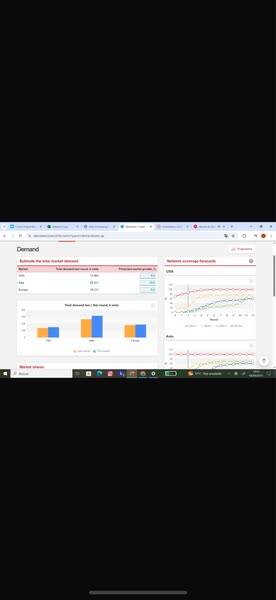
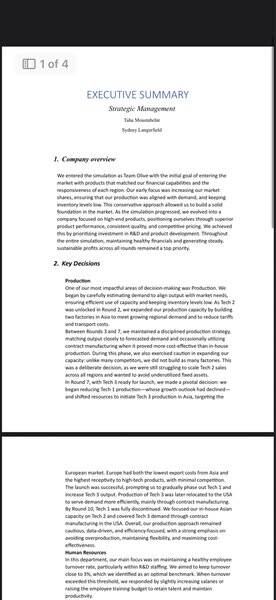
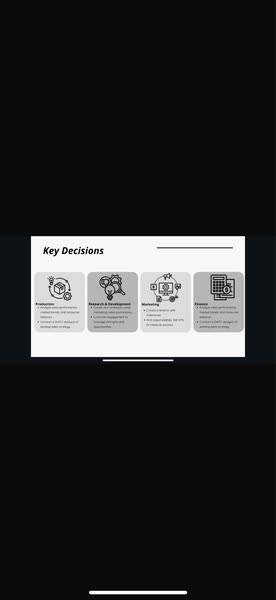
This screenshot is from the final simulation project in my Project Management course at the American Business School of Paris. During this project, I was assigned to work with only one partner while most other groups had four members, and we also faced a language barrier and different approaches to problem solving. Initially, this situation felt uncomfortable and challenging, but it ultimately pushed me to adapt and collaborate more effectively. Through this experience, I learned how to work through uncertainty and embrace different perspectives in a global learning environment. This project reinforced my understanding that discomfort can lead to both personal and professional growth.
Create Your Own Website With Webador