Sustainable Success Through Discipline and Consistency
Sustainable success is built on discipline and consistent effort over time. Through both my academic experiences at the Darla Moore School of Business and my semester abroad, I learned that long-term achievement requires structure and the ability to prioritize long-term goals over instant gratification. Consistency ultimately differentiates high performance from temporary success.
In my coursework at Darla Moore, particularly in competitive and fast-paced business classes, I observed how easy it is to compare progress to others or focus on immediate results such as grades, internships, or resume milestones. However, I realized that sustainable growth requires disciplined habits, consistent preparation, and maintaining focus even when results are not immediate. This connects to the concept of grit, which is defined as sustained passion and perseverance toward long-term goals despite setbacks. In competitive academic and professional environments, grit distinguishes those who remain consistent from those who rely solely on motivation.
Throughout my time at USC, I developed habits that allowed me to maintain consistent academic performance. I prioritized meeting deadlines for assignments and maintained a structured approach to my coursework semester after semester. This discipline has also been important during my job search, which often involves uncertainty and rejection. Even when I am not motivated, I remain committed to submitting applications and continuing the process because I understand that long-term goals require sustained effort. These experiences reinforced the idea that motivation alone is not enough; consistent habits and routines are essential for long-term success.
Studying abroad reinforced this lesson in a different context. Unlike the structured and competitive environment at USC, my European university emphasized independence and self-directed learning. There were fewer reminders and more freedom in how students managed their time. As a result, success depended heavily on personal discipline and accountability. I had to ensure that assignments, group projects, and exam preparation were completed without the same level of external structure I was used to in the United States.
Because it was my first time living in a foreign country, there were many exciting distractions such as traveling, exploring new cities, and experiencing new cultures. While these opportunities were valuable, they also required me to develop routines that balanced academics with personal experiences. I knew that I would be traveling most weekends, which meant I had to prioritize completing my assignments during the weekdays. This required discipline and careful time management. By creating a routine and staying consistent with my work, I was able to enjoy my study abroad experience while still maintaining strong academic performance.
Discipline also shaped my personal habits outside of academics. Choosing to wake up early, maintain fitness routines, prioritize academic preparation, and limit social distractions helped support both my long-term well-being and professional goals. These habits strengthened my self-regulation and reinforced the understanding that discipline is a form of self-leadership. Over time, maintaining these routines allowed me to work more effectively and remain focused on long-term objectives.
These experiences connect closely to Goal-Setting Theory, which suggests that specific, measurable, and challenging goals enhance performance over time. By setting structured weekly and long-term goals academically, professionally, and personally, I was able to align my daily actions with my broader ambitions. Consistent behaviors such as studying regularly, applying to jobs, and maintaining healthy routines allowed me to focus on incremental progress toward those goals.
Experiencing both the structured academic environment at Darla Moore and the independent learning environment abroad helped me understand that sustainable success depends on discipline rather than external structure. While competitive environments often encourage students to focus on short-term outcomes or comparison with others, my experience abroad required self-regulation and long-term thinking. Recognizing these differences strengthened my ability to remain disciplined regardless of the environment. This skill will be essential in my future career, where success will depend on maintaining consistent effort and personal accountability.
Ultimately, this insight reshaped how I view success. Instead of measuring achievement through comparison or short-term validation, I now focus on sustained effort, intentional goals, and disciplined habits. As I move into my professional career, I will continue to apply these lessons by maintaining routines that support long-term growth and setting measurable goals that guide my progress. In competitive environments, discipline serves as the foundation for building grit, resilience, and sustainable leadership.
Collection of Postcards from Cities Visited
This collection of postcards represents the cities I visited while studying abroad and serves as a visual reminder of the balance I maintained between exploration and responsibility. While traveling frequently during my semester abroad, I learned that enjoying new experiences required careful planning and discipline to ensure my academic responsibilities were still prioritized. By completing assignments and preparing for classes during the week, I was able to travel on weekends while maintaining strong academic performance. These postcards symbolize how consistent habits and personal discipline allowed me to make the most of both my educational and cultural experiences abroad.


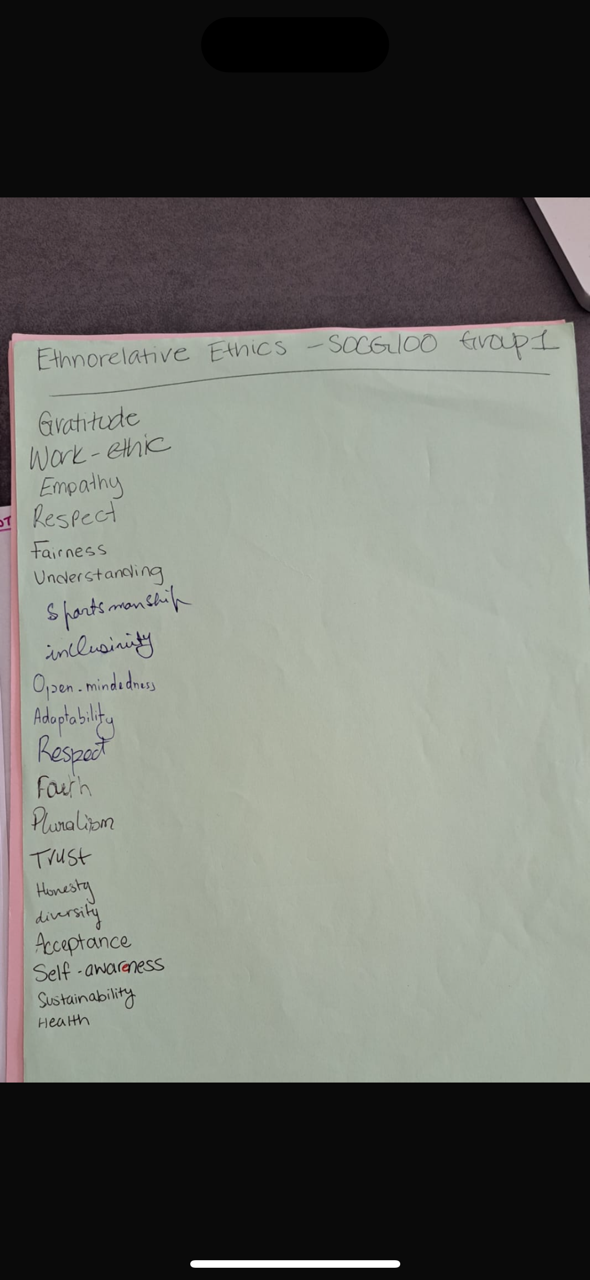
Global Studies Class Exercise on Defining Success
This artifact comes from a group activity in my Global Studies class where students collectively wrote words and ideas that contribute to success. The exercise highlighted how success is not defined by a single outcome but is built through small, consistent actions such as discipline, perseverance, and accountability. Participating in this discussion helped me reflect on how daily habits and intentional goal-setting contribute to long-term achievement. This activity reinforced my understanding that sustainable success develops gradually through consistent effort and purposeful decision-making.

Create Your Own Website With Webador